
Skiing is a sport that rewards dedication, technique, and a willingness to push your limits. While it can take years to master, a single season of focused training can significantly elevate your performance. Whether you’re a beginner looking to build confidence or an intermediate skier aiming for more precision and control, the right approach can make all the difference. Here’s how you can refine your skills over just one season.
1. Perfect Your Stance and Balance
A strong skiing stance is the foundation of good technique. Keeping your knees slightly bent, your weight evenly distributed, and your hands forward will help you stay in control. Many skiers make the mistake of leaning back, which reduces responsiveness and stability. Instead, keep your centre of gravity balanced over your skis to enhance agility and reduce fatigue.
One way to improve balance is through off-season training. Activities such as yoga, Pilates, and strength exercises that target the core and legs will make a noticeable difference once you hit the slopes.
2. Focus on Edge Control and Carving
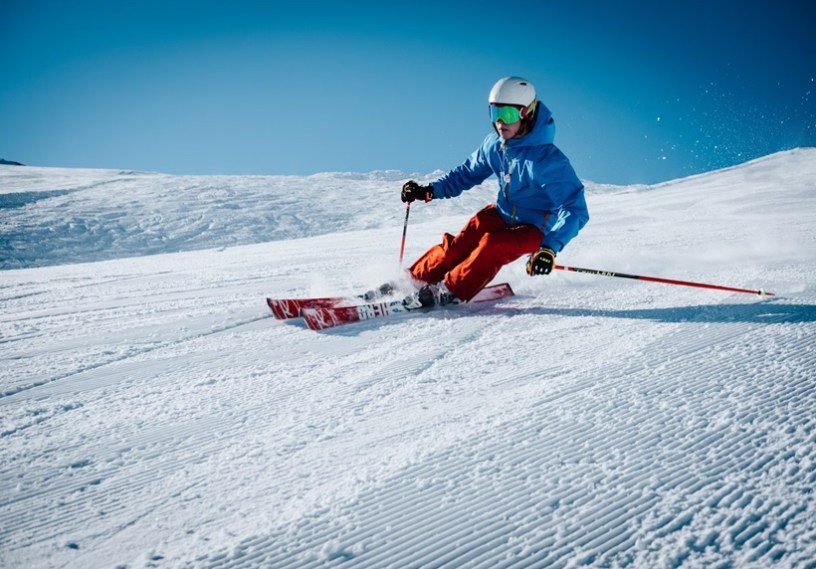
Carving is an essential skill for any skier who wants to move efficiently and gracefully. Instead of skidding down the mountain, practice engaging your edges and making clean, controlled turns. This not only improves speed management but also gives you better traction on icy or packed snow.
To develop sharper turns, start with gentle slopes and work on progressively increasing your edge angle. Drills such as ‘railroad tracks’—where you focus on creating parallel lines in the snow—can help refine this technique.
3. Work on Pole Planting
Many skiers underestimate the importance of pole planting, but it plays a crucial role in rhythm and balance. Proper pole planting can guide your turns, keep your upper body steady, and improve timing. To practise, try skiing down gentle terrain while exaggerating each plant, ensuring it happens slightly ahead of your turn.
4. Master Short and Long Turns
Different skiing conditions require different turning techniques. Short, quick turns are ideal for navigating narrow trails or moguls, while long, sweeping turns offer stability on open slopes. Practising both will prepare you for a variety of terrain and conditions.
For short turns, focus on quick weight shifts and keeping your skis close together. For long turns, allow your skis to roll smoothly from edge to edge while maintaining a relaxed posture.
5. Increase Your Speed Safely
Speed control is a critical aspect of skiing, and improving your technique will naturally make you feel more comfortable at higher speeds. The key is to develop confidence while maintaining control. Work on gradual speed increases by skiing on terrain that challenges you slightly but remains within your ability level.
Training with a coach or experienced skier can also provide invaluable feedback on how to handle higher speeds effectively.
6. Train Your Body for Endurance
Skiing is physically demanding, and endurance plays a huge role in maintaining good form throughout the day. Cardiovascular fitness, leg strength, and flexibility are all essential for reducing fatigue and preventing injuries. Activities such as cycling, swimming, and running are excellent ways to improve stamina.
Strength training, particularly for the legs and core, will also help with stability. Squats, lunges, and balance exercises will prepare your muscles for the demands of skiing.
7. Invest in the Right Gear
High-quality equipment tailored to your skill level and skiing style can make a noticeable difference in performance. Well-fitted boots, properly tuned skis, and appropriate outerwear all contribute to comfort and efficiency on the slopes.
Another crucial factor is sports eyewear. Clear visibility is vital in changing light conditions, and choosing the right goggles or sunglasses will enhance your ability to read the terrain. Anti-fog, UV-protected lenses designed for skiing will help maintain focus and safety.
8. Take Lessons or Join a Clinic
Even if you have experience, professional instruction can accelerate improvement. A qualified ski instructor will spot areas for refinement and offer personalised tips to help you break bad habits. Many ski resorts offer advanced clinics that focus on specific techniques, such as mogul skiing, powder skiing, or racing.
9. Ski in Different Conditions
Skiing in various weather conditions and terrains will make you a more adaptable skier. Try different slopes, from groomed runs to off-piste trails, and practise skiing in both soft powder and hard-packed snow. This versatility will give you confidence no matter what the season throws your way.
10. Film and Analyse Your Skiing
One of the most effective ways to improve is by watching yourself ski. Ask a friend to record you or use a tripod with a phone mount. Reviewing footage allows you to see where adjustments are needed, whether it’s leaning too far back, improper pole planting, or inconsistent turns.
A season of dedicated practice, thoughtful training, and smart equipment choices can transform your skiing ability. By focusing on technique, fitness, and adaptability, you’ll not only improve your performance but also maximise your enjoyment on the slopes. So, lace up your boots, hit the mountains, and make this season your best one yet.
 Professional Sports Blog